







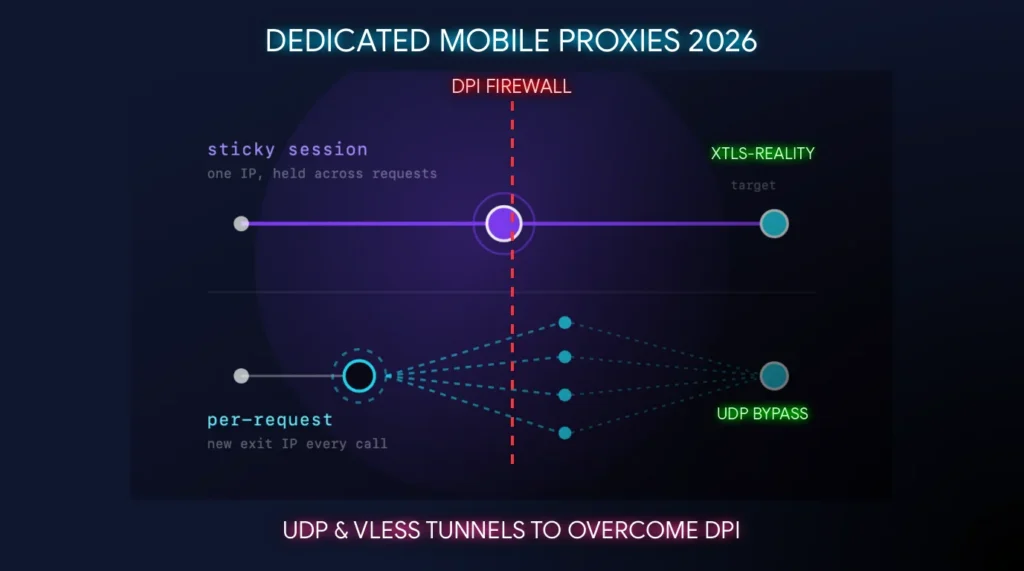
Deep packet inspection (DPI) systems actively scan and drop standard VPN connections. OpenVPN and WireGuard fail within minutes. Because they rely on static headers. Commercial firewalls now analyze byte entropy and packet timing using flow-based machine learning models. They run aggressive active probing routines. You need a resilient architecture. It will protect your network footprint completely.
TL;DR: DPI connection 2026 strategy using a VLESS proxy setup and dedicated mobile proxies
Overcoming regional limits requires complete TCP-stack synchronization. Achieving a successful DPI routing 2026 setup demands a flawless cryptographic profile.
Here is exactly how this modern engineering stack aligns your network location:
- Cryptographic mimicry: A precise VLESS proxy setup mimics the TLS handshake of a highly trusted domain right from the initial ClientHello packet. Inspection tools see only ordinary HTTPS requests.
- High throughput: Encapsulated UDP proxy tunnels process heavy packets instantly. This maintains optimal latency for WebRTC and modern HTTP/3 streams.
- Hardware alignment: Dedicated mobile proxies assign real IPs from actual cellular providers. Your traffic blends directly into regular cellular network patterns.
- NAT shielding: The connection hides behind massive carrier NAT pools. This prevents automated connection drops during heavy data extraction.
The evolution of DPI and the fall of traditional protocols
Network inspectors no longer rely on simple IP blacklists. They run heuristic analyzers fueled by machine learning. This explains why OpenVPN is blocked almost instantly on modern networks. Legacy protocols carry fixed handshake patterns. And WireGuard transmits highly predictable packet sizes.
Commercial firewalls identify these anomalies through statistical traffic analysis. They measure the microsecond delays between your data packets to profile the connection. Then they deploy active probing algorithms. The firewall sends a targeted request directly to your server to test its response. If the server returns a proxy error instead of a normal HTML page, the system drops the connection entirely.
Old tunnels fail this test completely. You must implement active probing mitigation to restore stable access to your streams. Your infrastructure needs to mirror regular cellular activity precisely. This protects your network footprint from advanced entropy analysis.
Why VLESS Reality shapes the ultimate cryptographic profile
How to handle active probing firewalls with VLESS? XTLS-Reality operates entirely differently from standard tunnels. It never generates standalone SSL certificates. Because custom certificates act as massive red flags. A precise VLESS proxy setup borrows the cryptographic signature of a highly trusted domain via SNI synchronization during the TLS 1.3 handshake. Traffic inspection tools only see standard HTTPS browsing. And if a firewall sends an unauthorized request, the server instantly redirects it to the legitimate target site. This protects the network node completely.
An Xray mobile proxy endpoint establishes this foundation using an X25519 keypair. But you still need to optimize the transport layer. Processing HTTP/3 and streaming data requires a dedicated UDP proxy tunnel. It handles heavy packets without forcing them through restrictive TCP connections. This ensures proper WebRTC leak prevention. Your connection remains completely stable under heavy loads.
Mobile vs. Datacenter IPs: The importance of Carrier-Grade CGNAT
Protocol masking solves only half the engineering problem. Even a flawless tunnel drops if the IP points to AWS or DigitalOcean. Corporate firewalls instantly flag datacenter ASNs. You need a solid ASN reputation from actual cellular and home internet providers.
Dedicated mobile proxies fix this hardware mismatch directly. They route your traffic through real smartphones. You get a private channel with unlimited traffic starting at $1.70 per day. And your connection hides behind Carrier-Grade NAT (CGNAT). You share the external IP with thousands of everyday cellular users. This exact setup makes a private mobile proxy incredibly resilient against automated filters. Anti-fraud algorithms cannot block entire city neighborhoods without causing massive false positives. We also configure carrier-native DNS and proper IPv4/IPv6 dual-stack routing to ensure maximum trust.
But e-commerce workflows often demand long-term stability. You might need to maintain trusted profiles for months. Residential ISP static IPs provide the exact solution here. They deliver non-rotating addresses directly from real internet providers starting at $5.29 monthly. They generate completely natural traffic patterns.
And if you run high-volume data aggregation, you need massive scale. You can tap into rotating residential networks. You pay exactly for the traffic you consume, starting at $0.90 per gigabyte.
Choose your routing architecture based on your specific tasks:
- Mobile Proxies: Assigns private IPs from cellular networks with built-in OS fingerprint adjustments.
- Residential Rotating: Offers endless rotation across massive 50M+ IP pools with free geo-targeting.
- Static ISP: Maintains sticky sessions to guarantee a high Subnet trust score over time.
👉 Build a bulletproof network footprint. Launch your dedicated mobile proxies today.
Achieving zero disconnects: Matching TCP/IP network fingerprint
Media buyers often make one fundamental engineering error. Matching p0f TCP fingerprint with antidetect browser profiles requires exact precision. Users configure antidetect browser proxies to emulate a mobile iOS device. But their actual connection routes through a standard Linux server in a datacenter. Corporate filters spot this hardware mismatch instantly. They scan the TCP SYN packets. The Time to Live (TTL) values and maximum segment sizes expose the true Linux kernel.
Your application layer claims one operating system. And your transport layer screams another.
You must synchronize these underlying metrics. CyberYozh infrastructure actively manipulates the network stack. The proxy server alters raw TCP parameters dynamically to pass p0f OS fingerprinting. The proxy server alters the raw TCP headers to match your User Agent consistency exactly. Proper JA4T proxy integration requires this level of control. Your digital footprint remains completely consistent, managing advanced browser fingerprinting.
Beyond the IP: Completing your digital profile
Network routing builds just the foundation. A flawless IP address fails if you register the profile using a flagged VoIP phone number. Or if you fund your ad account using a card with an AVS mismatch (Address Verification System).
Think about a practical scenario. You manage global campaigns remotely from a hub in Singapore. Your proxy routes perfectly through a US mobile node. But the moment you attach a payment method with a conflicting billing zip code, the risk management system halts the entire operation.
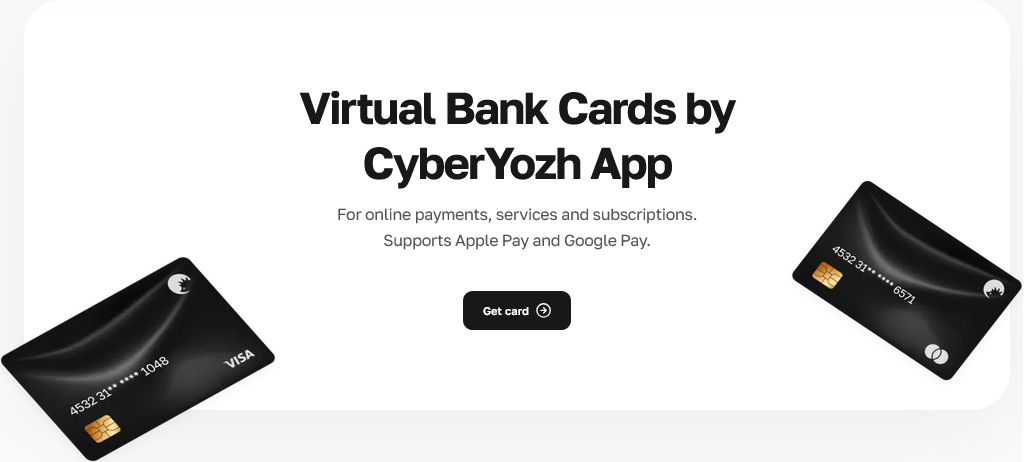
You must close these identification gaps. The CyberYozh platform integrates exact solutions. You can issue localized virtual cards for media buying directly from the dashboard. These cards match the geographic parameters of your active proxy exactly. They pass strict BIN checker validation. They support Apple Pay and Google Pay natively.
Account registration demands equal precision. Corporate platforms scrutinize phone numbers aggressively. Non-VoIP SMS verification for trusted account creation provides the required trust rate. You rent actual residential numbers from real telecommunication providers.
To complete your digital profile:
- Rent residential numbers to avoid VoIP filters.
- Issue localized virtual cards linked directly to your proxy geo-location.
- Fund Google Ads and Facebook Ads without triggering risk payment flags.
Proactive defense: Auditing with Fraud Score checkers
Launching campaigns blindly drains budgets. You need to see your digital footprint exactly how corporate filters see it. Systems evaluate IPQualityScore metrics to analyze your connection instantly. They flag minor inconsistencies.
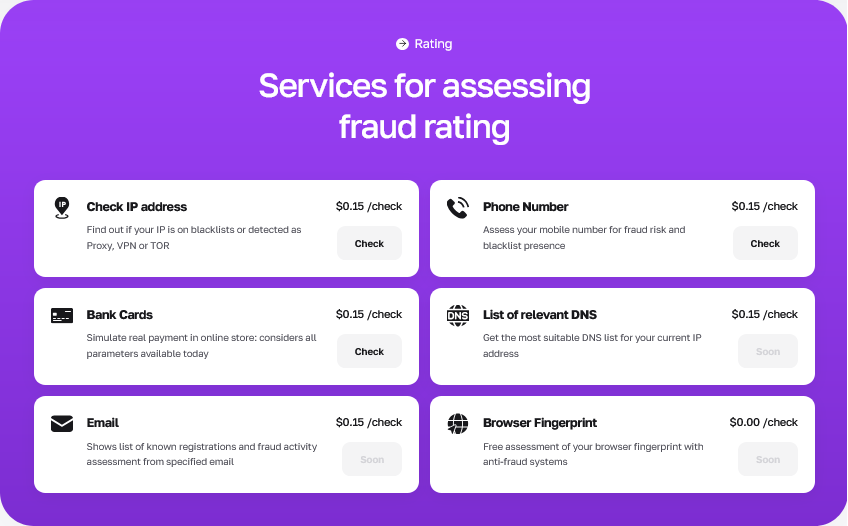
A dedicated fraud score IP checker stops these automated bans. It acts as mandatory financial risk management. You run the audit before spending a single dollar. For just $0.15, the tool scans your active proxy network. It checks your assigned phone number against known spam databases. It builds a profile that easily passes ThreatMetrix validation.
You get a clear diagnostic metric. This lets you adjust your setup before risk systems flag the profile. You protect your advertising budget actively.
Automating workflows with AI agents (MCP)
Data collection methods are shifting rapidly. Autonomous AI agents now handle routine tasks and data extraction instead of human operators. But these tools require flawless network pathways and resilient parsers to function properly. Large-scale web scraping fails instantly if an agent hits automated verification challenges or faces regional limits.
You must integrate reliable infrastructure directly into your automated workflows. The open-source Yozh Scraper provides the perfect bridge here. It features native Model Context Protocol (MCP) integration. This exposes your extraction tools directly to environments like Claude Desktop and LangChain. The scraper utilizes LLM self-healing parsers. If a target site updates its layout, the AI locates the missing data automatically. It fixes broken CSS selectors on the fly. It even outputs pure, noise-filtered Markdown tailored specifically for model training.
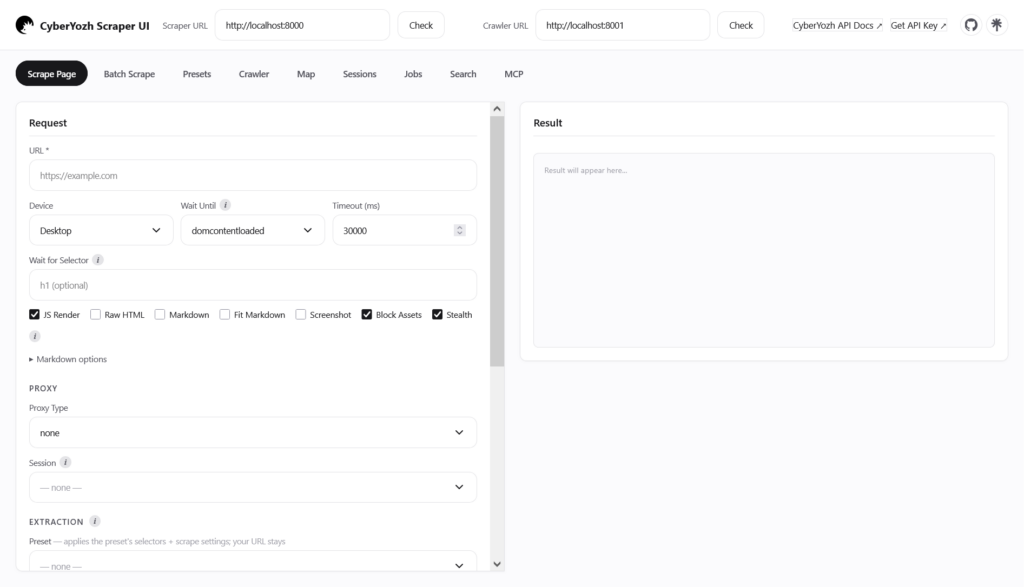
Server-managed sessions keep your connection active behind login screens. But your agents still need trusted routing. Equipping your systems with dedicated LTE/5G proxies for autonomous AI agents MCP guarantees uninterrupted data flows. The agent executes automated pre-warming routines and parses heavy datasets smoothly. It never triggers corporate alarms.
This architecture puts your B2B operations on completely hands-off autopilot. The AI manages the logic and data formatting. And the mobile proxy pool provides maximum trust for every single request.
Conclusion: Building a resilient infrastructure ecosystem
Traffic inspection keeps getting smarter. You cannot rely on outdated tunnels to protect your network footprint. Advanced firewalls read data entropy. Active probes drop weak connections instantly. You need a cohesive architecture to overcome these filters.
CyberYozh App provides this exact ecosystem. You rent dedicated mobile proxies to blend perfectly into real cellular traffic. You deploy VLESS tunnels to mask your packets. But routing is only the starting point. You also verify accounts using real residential phone numbers. This avoids VoIP flags. And you issue localized virtual cards to fund campaigns directly. Your billing data matches your location exactly.
Every tool operates under a strict no-logs policy. You build a flawless digital profile from the ground up. Stop fighting automated connection drops. Rent your dedicated infrastructure today. Scale your operations without interruptions.
How to handle active probing firewalls with VLESS?
Standard tunnels fail because firewalls scan them actively. VLESS drops unauthorized requests instantly. It mimics a trusted domain perfectly. You maintain a stable connection without triggering alarms.
Why OpenVPN is blocked and how to use Xray Reality instead?
Legacy protocols broadcast predictable packet headers. Filters detect these patterns in seconds. Xray Reality solves this directly. It borrows standard HTTPS signatures to route your traffic securely.
Why is matching p0f TCP fingerprint with antidetect browser profiles so important?
Browsers fake the application layer. But the transport layer exposes your real OS. You need dedicated mobile proxies that alter raw TCP headers. This completely aligns your network stack with your browser profile.
How do dedicated LTE/5G proxies for autonomous AI agents MCP work?
Automated scrapers require a pristine IP reputation. These proxies integrate directly via the Model Context Protocol. Your agents parse heavy datasets using real cellular addresses. They avoid automated verification challenges entirely.
Do I need a fraud score IP checker before using virtual cards for media buying?
Yes. Blindly attaching a card risks instant account freezing. Run an audit for $0.15 first. You verify your exact IP trust level before spending your advertising budget.
Can I use residential ISP static IPs alongside non-VoIP SMS verification for trusted account creation?
This is the exact blueprint for long-term stability. The static IP builds geographic trust over months. And the real cellular number passes strict corporate filters. You get a bulletproof profile.